
Plants bring life and beauty into our homes and gardens, but they rely on a suitable growing medium to thrive.
While traditional soil has long been the go-to choice, alternative growing media have gained popularity among plant enthusiasts and gardeners. One such medium is LECA, an acronym for Lightweight Expanded Clay Aggregate.
LECA is a type of clay that offers several benefits for plants, making it an attractive option for both novice and experienced gardeners.
Below I’ll discuss what LECA is, how to prepare it for use with plants, the ease of using LECA, whether it should be mixed with soil, and which plants are best suited to using LECA.
What is LECA?
LECA, or Lightweight Expanded Clay Aggregate, is a versatile growing medium composed of small, lightweight, and porous clay pellets.
It is created by heating clay in a rotary kiln, which causes it to expand and become highly porous. These small clay pellets are then cooled, forming the final LECA product.
The resulting aggregate is lightweight, which is a significant advantage when it comes to plant care.
Preparing LECA for Use with Plants
Using LECA as a growing medium for plants requires proper preparation to ensure the best results. Here are the essential steps to prepare LECA for use with your plants:
1. Rinse and Clean LECA:
Before introducing LECA to your plants, it is essential to thoroughly rinse and clean it. This step removes any dust, fine particles, or contaminants that may be present on the surface of the clay pellets.
You can place the LECA in a fine-mesh strainer and rinse it under running water until the water runs clear. Alternatively, you can soak the LECA in water for a few hours and then rinse it. This process helps prevent any unwanted debris from entering your plant’s environment.
2. Soak LECA for Rehydration:
LECA is an excellent growing medium for plants due to its ability to retain moisture while providing good aeration.
To optimize its water retention capacity, soak the clean LECA in water for a few hours. Allow the pellets to fully saturate, and then drain any excess water. This ensures that the LECA is adequately hydrated before using it for your plants.
3. Add Nutrients (Optional):
While LECA itself is an inert medium, it is beneficial to add nutrients to support plant growth. You can incorporate liquid or slow-release fertilizer directly into the LECA.
Alternatively, you can provide nutrients through a hydroponic nutrient solution when watering your plants in LECA.
4. Choose an Appropriate Container:
When using LECA for plants, select an appropriate container. A container with drainage holes is essential to avoid waterlogged conditions, which can be detrimental to your plants.
It’s recommended to use a transparent or semi-transparent container to monitor water levels easily.
5. Plant Your Seedlings:
Gently place your seedlings or established plants into the LECA-filled container. Make sure the roots are in contact with the LECA pellets.
The porous structure of LECA ensures that the roots have access to oxygen, which is vital for healthy growth.
6. Watering in LECA:
When using LECA, it’s essential to water your plants carefully. Add water to the container, allowing the water level to reach just below the surface of the LECA. The roots will naturally grow towards the water source.
Monitor the water level, and as it decreases, add more water to maintain the desired level. This method, known as “bottom watering,” prevents overwatering and provides the plant’s roots with precisely the amount of moisture they need.
Is Using LECA Difficult?
Using LECA for plants may seem daunting at first, especially if you’re accustomed to traditional soil-based gardening. However, with a little practice and understanding, it becomes a straightforward and rewarding process.
Here are the key aspects of using LECA (and its potential challenges):
Pros of Using LECA:
- Excellent Aeration: The porous nature of LECA provides ample aeration to the plant’s roots, preventing root rot and promoting healthy growth.
- Water Retention: LECA retains moisture, ensuring a consistent water supply to your plants.
- Easy Monitoring: Transparent containers allow you to monitor the water level and root development easily.
- Pest and Disease Resistance: LECA is less prone to harbor pests and diseases that are often found in traditional soil-based gardening.
- Reusable: LECA is reusable, making it an eco-friendly option for long-term plant care.
Challenges of Using LECA:
- Initial Learning Curve: If you’re new to LECA, there may be a learning curve as you adjust to the different watering and nutrient requirements.
- Nutrient Management: As LECA is an inert medium, you must provide nutrients for your plants, either through fertilizers or a hydroponic nutrient solution.
- Upfront Investment: Setting up a LECA-based system may require an initial investment in LECA pellets and appropriate containers.
- Limited Availability: Depending on your location, finding LECA pellets may be more challenging than obtaining traditional potting soil.

Should LECA Be Mixed with Soil?
One common question that arises when using LECA for plants is whether it should be mixed with soil. The answer depends on your specific gardening goals and the needs of your plants:
1. Pure LECA Cultivation:
LECA can be used as a standalone growing medium for hydroponic or semi-hydroponic cultivation. In this method, plants grow solely in LECA, and all nutrients are supplied through water.
This is a popular choice for indoor gardeners and enthusiasts looking for a soil-free, low-maintenance growing option.
2. LECA as Soil Amendment:
Alternatively, you can use LECA as a soil amendment in traditional soil-based gardening. Mixing LECA with soil can enhance aeration, improve drainage, and reduce the risk of overwatering. This can be particularly beneficial for plants that require well-draining soil, such as succulents and cacti.
A general recommendation is to mix LECA with soil in a ratio of about 1:1 or as per the specific needs of your plants.
3. Layering LECA in Pots:
Another approach is to use LECA as a drainage layer in pots or containers with traditional soil. Placing a layer of LECA at the bottom of the container helps prevent waterlogged conditions and ensures adequate drainage. This is especially useful for plants that are sensitive to overwatering.
The decision to mix LECA with soil or use it independently depends on your plant species, environmental conditions, and personal preferences.
Plants Best Suited for LECA
While LECA can be used for a wide range of plants, some species are particularly well-suited for this growing medium. Here are some examples of plants that thrive in LECA:
1. Epiphytic Plants:
LECA is an excellent choice for epiphytic plants, which naturally grow on other surfaces like trees and rocks. Orchids, bromeliads, and air plants (Tillandsia) are prime examples. The porous structure of LECA mimics the conditions these plants would encounter in their natural habitats.
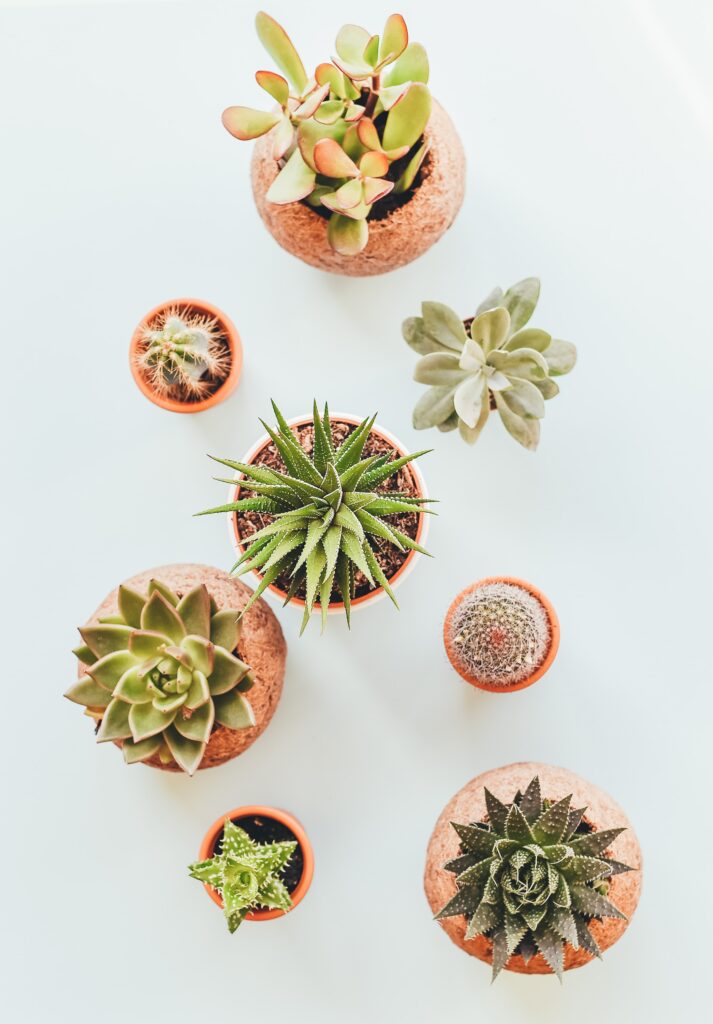
2. Succulents and Cacti:
Succulents and cacti benefit from the aeration and drainage provided by LECA. The soil mixture, if used, should be well-draining to prevent overwatering, which can be a common issue with these plants.
3. Foliage Houseplants:
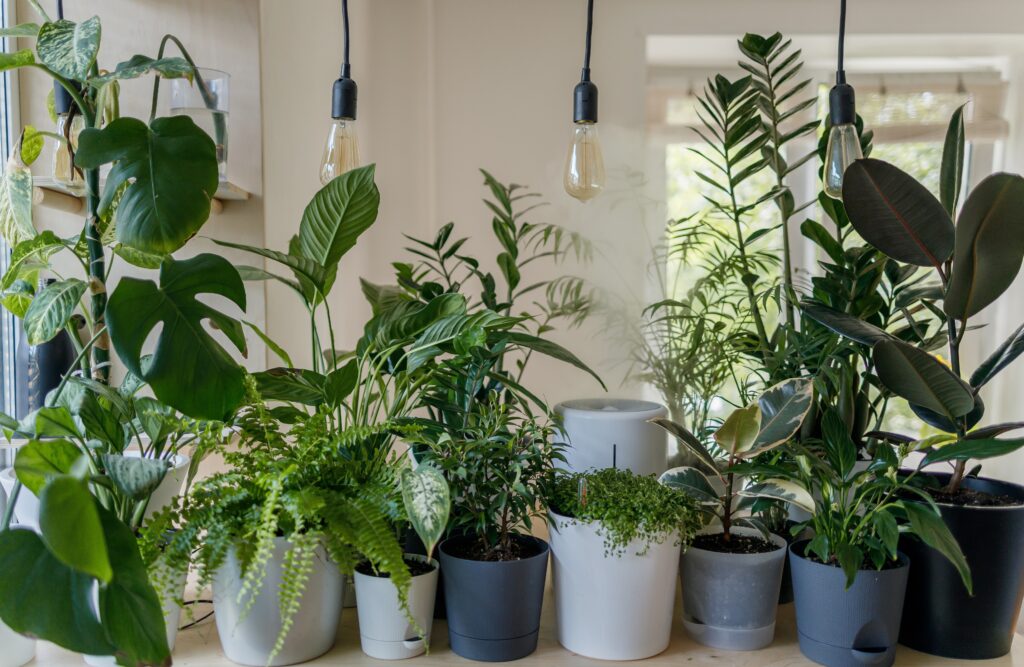
Many foliage houseplants, such as pothos, philodendron, and snake plants, adapt well to LECA. These plants are less sensitive to the potential learning curve associated with using LECA.
4. Hydroponic Vegetables and Herbs:
LECA is an ideal choice for growing hydroponic vegetables and herbs indoors. Plants like basil, lettuce, and mint can flourish in LECA when provided with a balanced nutrient solution.
5. Aquatic Plants:
For aquatic plants like water lilies and water hyacinths, LECA can serve as a stable and well-draining substrate when placed in containers of water.
It’s important to note that while LECA is suitable for a variety of plants, it may not be the best choice for all species. Conduct research and consider the specific requirements of your plants before transitioning to LECA-based cultivation.
In conclusion, LECA – or Lightweight Expanded Clay Aggregate – is a versatile and rewarding growing medium for plants.
When used correctly, it offers benefits such as excellent aeration, moisture retention, and a reduced risk of pests and diseases. Preparing LECA for plant use involves rinsing, soaking, and potentially adding nutrients.
While there may be a learning curve, the ease of use depends on your gardening experience and commitment to monitoring and caring for your plants. The decision to mix LECA with soil or use it solely depends on your plant preferences, and various plant species can thrive in LECA.
Ultimately, LECA provides a unique and exciting way to grow and nurture your indoor and outdoor greenery, offering a glimpse into the future of gardening.
So, whether you’re a seasoned horticulturist or a beginner with a green thumb, consider giving LECA a try and watch your plants flourish in this innovative growing medium.
You might also like: