
Coco peat, also known as coir or coconut coir, is a popular growing medium among gardeners and horticulturists due to its eco-friendly nature and moisture-retaining properties.
While coco peat has several advantages, it’s essential to be aware of its disadvantages before using it as a primary growing medium for your plants.
Below are the drawbacks of using coco peat as well as insights into when and why it might not be the best choice for your gardening needs.
What is Coco Peat?
Coir, or coconut coir, is a natural, organic growing medium derived from the fibrous husk of coconuts. It’s often referred to as “coco peat” or “coconut peat.” This versatile material has gained popularity in gardening and agriculture due to its numerous benefits.
Coco peat is a byproduct of the coconut industry, making it a sustainable and eco-friendly option. It is obtained by processing coconut husks, which are first soaked in water to soften and break down the fibers.
Afterward, the husk is mechanically or manually separated into two main components: coir fiber and coco peat. Coco peat is essentially the powdered, sponge-like residue that remains after fiber extraction.
Why Do People Use Coco Peat?
Using coco peat has several advantages that make it an attractive choice.
First and foremost, it retains moisture exceptionally well, making it an excellent substrate for growing plants, especially in arid or drought-prone regions.
Its high water-holding capacity helps to maintain consistent moisture levels in the root zone, reducing the need for frequent irrigation and water conservation.
Coco peat is naturally resistant to harmful pathogens and diseases, providing a clean and disease-free environment for plants to thrive. It’s also pH-neutral, ensuring it won’t drastically alter the acidity or alkalinity of the soil, making it adaptable for a wide range of plant species.
It’s lightweight, easy to handle, and can be used as a stand-alone growing medium or blended with other soil types to improve aeration, drainage, and water retention. Its biodegradability and renewability make it an environmentally responsible choice.
But what are the disadvantages of coco peat?
Coco Peat Disadvantages
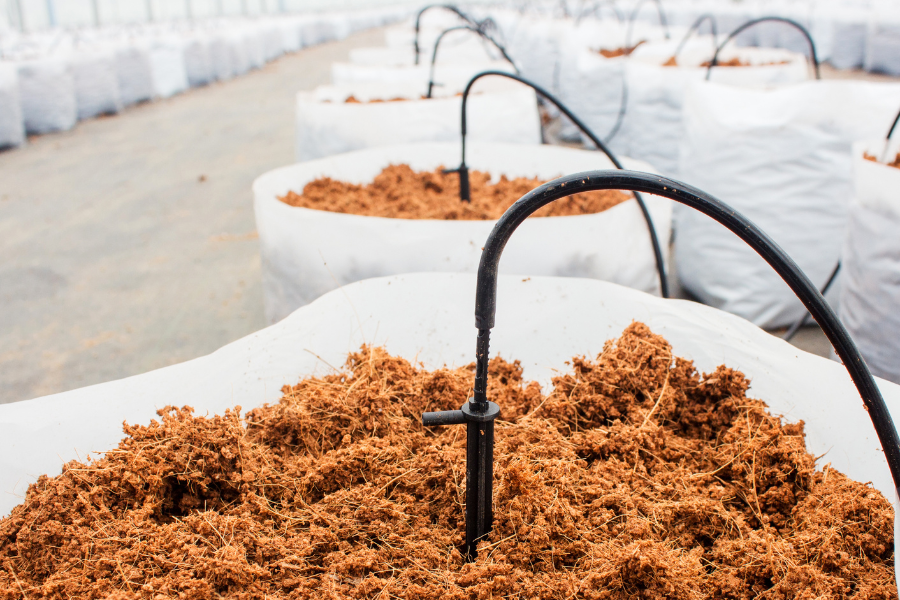
1. Limited Nutrient Content
Coco peat is primarily a neutral and inert growing medium, which means it contains minimal essential nutrients for plant growth.
Unlike traditional soil or potting mix, coco peat lacks the inherent fertilizing properties that plants require. While this neutrality can be advantageous for specific applications, it poses a disadvantage when growing plants that rely on the nutrients present in the growing medium.
Without supplemental fertilization, plants grown in pure coco peat may experience nutrient deficiencies, leading to stunted growth and poor yields.
Solution: To overcome this, it’s essential to regularly fertilize plants grown in coco peat with a balanced, water-soluble fertilizer. Regular feeding will provide the necessary nutrients for your plants to thrive.
2. Compacted and Airless Medium
Coco peat has a tendency to become compacted over time, reducing its aeration properties.
When the growing medium becomes compact, it can lead to poor root development and limited oxygen availability for the roots. This compaction can negatively impact the overall health of your plants by hindering their ability to absorb nutrients and water.
Solution: To prevent coco peat compaction, regularly fluff the coco peat by loosening it and incorporating air pockets. Additionally, consider mixing coco peat with other ingredients like perlite or vermiculite to enhance aeration and drainage.
3. High Salinity
One of the significant disadvantages of coco peat is its natural high salinity levels.
Coco peat contains salts that can be harmful to some plants, especially those that are sensitive to salt buildup.
If not properly processed or rinsed, these salts can negatively affect plant health by interfering with nutrient uptake.
Solution: Buy coco peat from reputable sources that have properly washed and treated the coir. Alternatively, rinse the coco peat thoroughly before use to reduce its salt content.
Conduct a simple “leach test” by saturating the coir with water and allowing excess salts to leach out before using it.
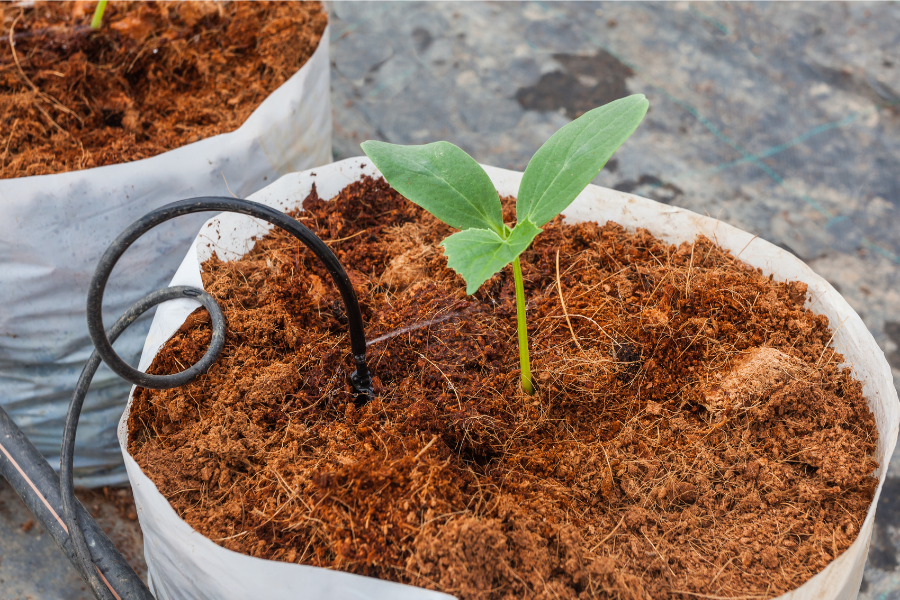
4. Low pH Levels
Coco peat typically has a slightly acidic to neutral pH level, which may not be suitable for plants that require a more alkaline growing environment.
Some plants, such as cacti and succulents, thrive in alkaline conditions and may struggle to grow properly in coco peat without pH adjustment.
Solution: To address the pH issue, you can amend the coco peat with lime or other alkaline substances to raise the pH to the desired level for your specific plants. Regularly monitor and adjust the pH as needed to ensure optimal growth conditions.
5. Decomposition Over Time
Coco peat is an organic material, and like all organic matter, it will eventually decompose.
Over time, the coir can break down, lose its structure, and become compacted, reducing its ability to retain moisture and provide adequate aeration.
This decomposition can lead to instability in plant containers and declining plant health.
Solution: To mitigate decomposition, consider using coco peat in combination with other growing media like perlite, vermiculite, or peat moss.
This mixture can provide better structural integrity and enhance the longevity of the growing medium.
6. Unsuitability for Some Plant Types
While coco peat can be an excellent growing medium for various plants, it may not be ideal for all plant types.
Some plants, particularly those with unique or specific requirements, may not thrive in coco peat. For example, plants adapted to arid, alkaline, or nutrient-rich soils may struggle to grow in coco peat without significant adjustments.
Solution: Research the specific needs of your plants and consider whether coco peat is a suitable medium. If not, explore alternative growing media that better match your plant’s requirements.
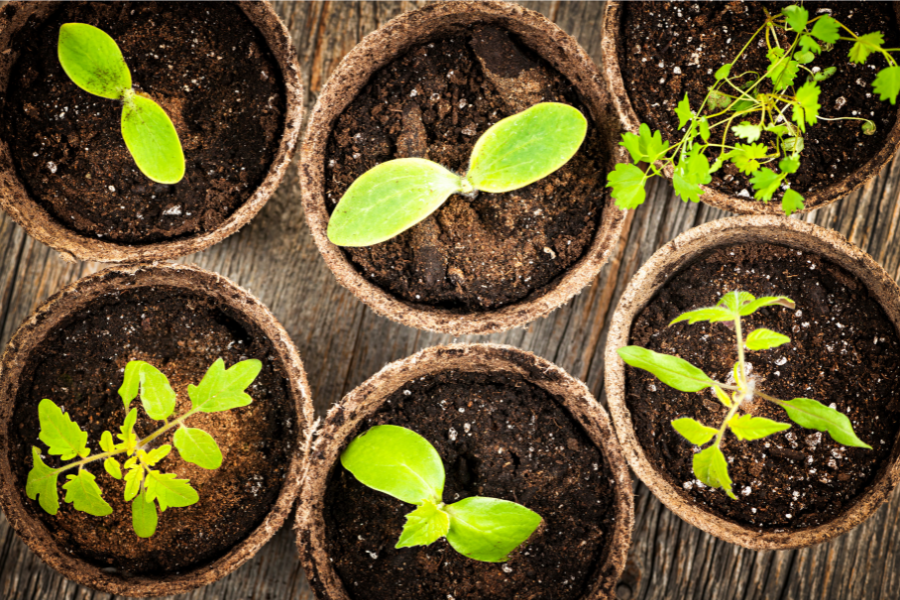
7. Potential for Mold and Fungal Growth
Coco peat has a natural propensity to retain moisture, which can make it susceptible to mold and fungal growth, particularly in high-humidity conditions. Mold and fungi can negatively impact plant health and appearance.
Solution: To prevent mold and fungal issues, maintain proper ventilation and ensure that the growing environment is not excessively humid. Additionally, consider using a fungicide as a preventive measure.
8. Sustainability Concerns
While coco peat is often promoted as an eco-friendly alternative to peat moss, there are sustainability concerns associated with its production. The increasing demand for coco peat has led to the expansion of coconut farming, which can sometimes result in deforestation, habitat loss, and monoculture practices.
Solution: Whenever possible, choose coco peat products from suppliers committed to sustainable and ethical production practices. Look for certifications such as “Fair Trade” or “Certified Organic” to ensure that your coco peat is sourced responsibly.
In conclusion, while coco peat has gained popularity as a growing medium due to its moisture-retaining and eco-friendly properties, it comes with several disadvantages that must be considered.
The lack of inherent nutrients, potential compaction and airlessness, high salinity, low pH levels, decomposition, and the unsuitability for certain plant types can pose challenges for gardeners.
However, with proper knowledge, care, and adjustments, many of these issues can be mitigated. By addressing these disadvantages proactively, gardeners can make informed decisions about whether to use coco peat and how to best utilize it to maximize plant health and growth.
You might also like: