
Thinking of growing your Bird of Paradise in LECA? Read this first!
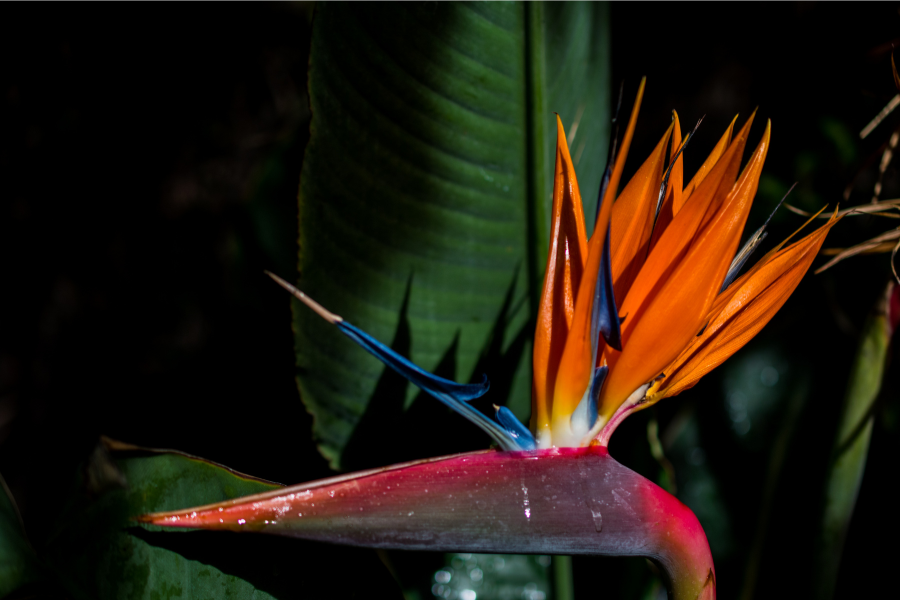
Bird of Paradise is a striking and iconic tropical plant known for its vibrant foliage and unique, bird-like flowers. It’s a popular choice for indoor and outdoor gardens.
the advent of hydroponics and the use of LECA (Lightweight Expanded Clay Aggregate) as a growing medium, it’s become a fascinating option for enthusiasts looking to cultivate this stunning plant in a soilless environment.
Find out how to transplant a Bird of Paradise into LECA, why this plant can thrive in this medium, potential problems you might face during the transplanting process, and whether it’s difficult to cultivate large plants like Bird of Paradise in hydroponics.
Transplanting a Bird of Paradise into LECA
Transplanting a Bird of Paradise into LECA can be a rewarding endeavor, but it requires careful consideration and proper execution.
Here’s a step-by-step guide on how to do it:
Materials You’ll Need:
- A healthy Bird of Paradise plant.
- LECA pellets.
- A suitable hydroponic or self-watering planter.
- Hydroponic nutrient solution.
- Water.
- A large, clean container or tub.
Steps:
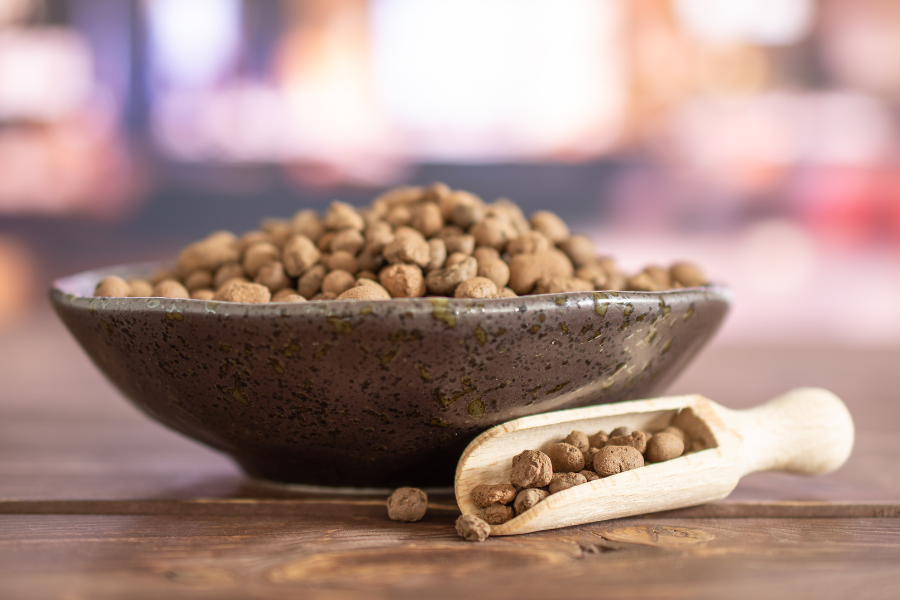
- Prepare the LECA: Rinse the LECA pellets thoroughly to remove any dust or debris. Soak them in water for a few hours or overnight to ensure they are fully saturated.
- Choose a Planter: Select a hydroponic or self-watering planter that is large enough to accommodate the size of your Bird of Paradise. Ensure the planter has a drain hole or is specifically designed for hydroponics.
- Fill the Planter: Add a layer of saturated LECA pellets to the bottom of the planter, providing a stable base for the plant.
- Remove the Plant: Gently remove the Bird of Paradise from its current pot or soil, taking care not to damage the roots.
- Inspect the Roots: Examine the roots. If they are overly tangled or congested, you may need to trim them slightly to encourage new growth.
- Position the Plant: Place the Bird of Paradise in the planter, positioning it at the same depth as it was in its previous container.
- Fill with LECA: Carefully add more saturated LECA pellets around the plant until the planter is full. Leave enough space to water and allow the nutrient solution to circulate.
- Watering: Water the plant well to help settle the LECA and establish good contact with the roots.
- Nutrient Solution: Begin a regular feeding schedule using a suitable hydroponic nutrient solution. Follow the manufacturer’s recommendations for the specific fertilizer you choose.
- Monitor and Adjust: Keep a close eye on your Bird of Paradise. Ensure that the LECA remains moist and that the plant receives adequate light and humidity.
Why Bird of Paradise Thrives in LECA
Bird of Paradise plants can thrive in LECA for several reasons:
- Aeration: LECA provides excellent aeration to the roots, allowing for optimal oxygen supply and preventing root suffocation.
- Hydration Control: LECA’s water-retention capacity allows for consistent moisture levels, reducing the risk of overwatering or underwatering, which is essential for Bird of Paradise.
- Nutrient Availability: Hydroponic systems ensure that essential nutrients are readily available to the plant, promoting robust growth and vibrant foliage.
- Clean Environment: LECA and hydroponics eliminate the risk of soil-borne pests and diseases, offering a clean and sterile environment for your plant.
Problems You Might Face Replanting Your Bird of Paradise in LECA
While transplanting a Bird of Paradise into LECA offers numerous benefits, there are potential challenges and problems you might encounter:
- Shock: Transplanting can shock the plant initially, causing some leaf drooping or browning. This is usually temporary as the plant adapts to its new environment.
- Root Rot: If the LECA becomes oversaturated and waterlogged, it can lead to root rot. Ensure proper drainage in the planter and avoid overwatering.
- Nutrient Imbalance: It’s crucial to monitor and adjust the nutrient solution carefully to prevent nutrient imbalances or deficiencies.
- Size Constraints: Large Bird of Paradise plants may require substantial containers and support structures to accommodate their size and weight.
Is it Hard to Put Large Plants in Hydroponics?
Putting large plants like Bird of Paradise in hydroponics can be challenging, primarily due to the need for suitable space and structural support. Large plants have extensive root systems and can become top-heavy, requiring sturdy containers and support structures to prevent toppling. Adequate lighting and environmental control are also essential for maintaining large plants in hydroponics. Therefore, while it’s not necessarily “hard,” it does require careful planning, maintenance, and space considerations to successfully cultivate large plants like Bird of Paradise in hydroponics.
In conclusion, transplanting a Bird of Paradise into LECA and growing it in a hydroponic system offers numerous benefits, including improved aeration, hydration control, and a clean environment. While there are potential challenges to overcome, with proper care and attention, your Bird of Paradise can thrive in this soilless, hydroponic setting. Large plants like Bird of Paradise can be managed in hydroponics, but it’s important to be prepared for the additional space and support requirements that come with their size.