
Maintaining a lush, well-groomed lawn is a source of pride for many homeowners. Central to this endeavor is the often-underestimated practice of mowing. However, mastering the art and science of mowing involves more than just running a lawnmower over your grass. In this extensive guide, we will explore various facets of proper grass mowing, addressing common questions and providing insights into the best practices for achieving a healthy, manicured lawn.
Mowing in the Elements: Can You Mow Wet Grass?
Mowing wet grass is a topic that sparks debates among lawn care enthusiasts. While it’s generally advisable to mow when the grass is dry, there are situations where you might find yourself facing wet or damp conditions.
1. Should You Mow Wet Grass With an Electric Mower?
Mowing wet grass with an electric mower requires extra caution. Electric mowers, especially those with cords, pose a potential electrical hazard when used on wet turf. Water and electricity don’t mix well, and using an electric mower on wet grass increases the risk of electric shock. If you must mow wet grass with an electric mower, use a cordless, battery-powered model for safety.
2. When Is Grass Too Wet to Mow?
While it’s possible to mow slightly damp grass, there’s a threshold beyond which mowing becomes impractical and potentially harmful to your lawn. Grass is too wet to mow when it’s excessively soggy and clings to your shoes or the lawnmower wheels. If the grass bends over rather than standing upright, it’s a sign that the ground is too wet. Mowing in these conditions can lead to an uneven cut, soil compaction, and even damage to the turf.
3. How Long Should You Wait to Mow the Grass After the Rain?
After a rain shower, it’s crucial to allow the grass some time to dry before mowing. Ideally, wait until the grass is no longer visibly wet, and the soil has had a chance to drain excess moisture. Mowing too soon after rain can result in clumping, uneven cuts, and potential damage to the lawn.

4. How to Mow Wet Grass
If you find yourself with no choice but to mow wet grass, there are steps you can take to minimize the potential negative effects:
a. Use the Right Equipment:
If possible, use a mower with high wheels, as they provide better traction on wet surfaces. Additionally, consider using a mower with a side discharge to prevent clumping.
b. Raise the Mower Height:
Increase the cutting height of your mower when dealing with wet grass. This prevents the mower blades from scalping the lawn and allows for a more even cut.
c. Sharpen Mower Blades:
Sharp blades are essential for a clean cut, especially in challenging conditions. Ensure your mower blades are sharp before mowing wet grass to prevent tearing and damage.
d. Clean Up Clippings:
Wet grass clippings tend to clump together. Periodically stop and clear any clumps to avoid an uneven distribution of clippings on the lawn.
e. Mow in Patterns:
Change your mowing pattern to prevent ruts and compaction. This distributes the weight of the mower more evenly across the lawn.
f. Dry Mower Deck:
After mowing, clean and dry the mower deck to prevent grass buildup, which can contribute to rust and corrosion.
Ideal Conditions for Mowing Grass
Achieving a well-manicured lawn requires strategic timing and consideration of various factors. Understanding the optimal conditions for mowing ensures that your grass remains healthy and visually appealing.
1. Timing Matters:
Mowing should be timed to coincide with the grass’s growth cycle. Avoid cutting more than one-third of the grass blade at a time, as removing too much can stress the lawn and lead to a weakened root system.
2. Correct Mowing Height:
Adjust your mower’s cutting height based on the grass species in your lawn. Different grass types thrive at specific heights, and maintaining the correct cutting height promotes healthy growth.
3. Dry Grass:
Mow when the grass is dry to achieve a clean cut and prevent clumping. Wet grass not only leads to uneven cuts but also increases the risk of lawn diseases spreading.
4. Cooler Temperatures:
Mowing during the cooler parts of the day, such as early morning or late afternoon, minimizes stress on the grass. Midday heat can be harsh on freshly cut lawns.
5. Sharp Blades:
Regularly sharpen your mower blades to ensure a clean cut. Dull blades tear grass, leaving ragged edges that are more susceptible to diseases.
6. Mowing Frequency:
The frequency of mowing depends on the grass type and growth rate. Avoid cutting too frequently or allowing the grass to become excessively tall between mowings.
7. Alternate Mowing Patterns:
Changing your mowing pattern each time you mow prevents soil compaction and promotes upright grass growth.
8. Leave Clippings:
Leaving grass clippings on the lawn provides a natural source of nutrients. When mowing under the right conditions, clippings break down quickly and contribute to a healthier lawn.
The Importance of Timing: When Is the Right Time to Mow?
Understanding the grass’s growth cycle and tailoring your mowing schedule accordingly is crucial for maintaining a healthy lawn.
1. Frequency of Mowing:
The frequency of mowing depends on factors such as grass type, weather conditions, and the time of year. In the growing season, you may need to mow more frequently to keep up with the grass’s rapid growth.
2. Seasonal Considerations:
During the growing season, aim to mow your lawn every 7-10 days. In spring and fall, when grass growth is more vigorous, you may need to mow more often. In the hot summer months, mowing frequency may decrease.
3. Avoid Mowing During Extreme Heat:
High temperatures and intense sunlight can stress your lawn. To minimize stress, avoid mowing during the hottest part of the day, typically from late morning to mid-afternoon.
4. Adjust Mowing Height:
As seasons change, adjust your mower’s cutting height. In the spring, you may cut the grass shorter to remove winter damage, while in the summer, a slightly higher cutting height helps conserve moisture.
5. Post-Rain Considerations:
After a heavy rain, give your lawn time to dry before mowing. Mowing wet grass can lead to clumping and an uneven cut. Wait until the grass and soil are no longer saturated.
6. Don’t Scalp Your Lawn:
Scalping, or cutting the grass too short, can weaken the lawn and make it more susceptible to pests and diseases. Avoid scalping, especially during stressful periods like extreme heat.
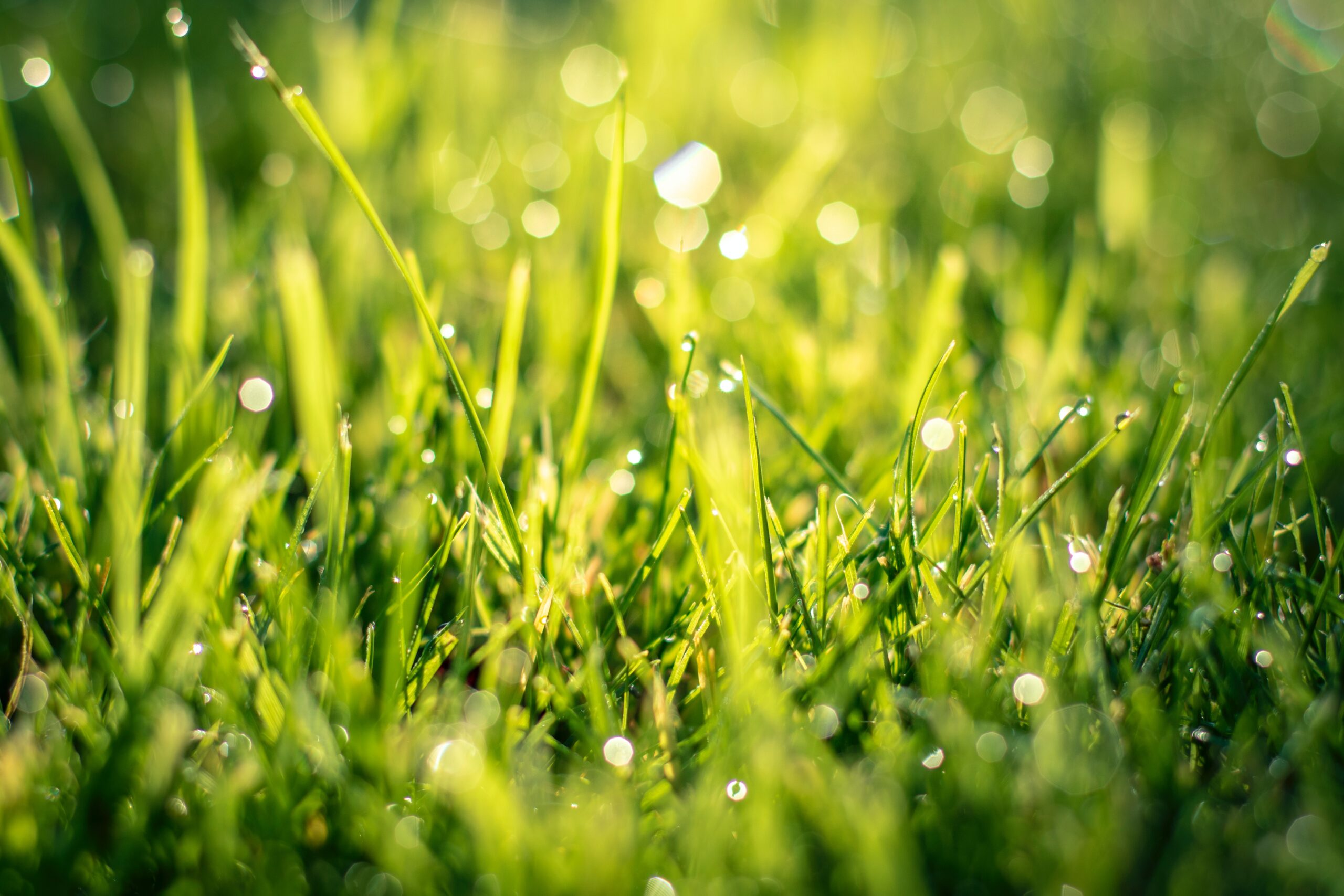
To Mow or Not to Mow: Reasons for Not Mowing the Lawn
While regular mowing is a fundamental aspect of lawn care, there are circumstances when it’s best to hold off on mowing to avoid causing harm to your grass.
1. Extreme Heat:
During periods of extreme heat, it’s advisable to limit mowing to prevent additional stress on the lawn. High temperatures can lead to moisture loss and make the grass more susceptible to damage.
2. Drought Conditions:
In times of drought, allowing your grass to grow slightly longer can help conserve moisture. Longer grass shades the soil, reducing evaporation and providing a protective layer.
3. Recent Overseeding:
If you’ve recently overseeded your lawn to introduce new grass varieties, avoid mowing until the new grass has had a chance to establish itself. Premature mowing can disrupt the germination and growth process.
4. Wet or Soggy Soil:
Mowing on wet or soggy soil can lead to soil compaction, rutting, and an uneven cut. It’s best to wait until the soil has dried sufficiently to support the weight of the mower.
5. Weeds or Diseases:
If your lawn is experiencing a weed or disease outbreak, consider postponing mowing until the issue is addressed. Mowing can spread weed seeds or pathogens, contributing to further problems.
6. Stressed Grass:
During periods of stress, such as drought or extreme heat, give your grass a break. Allowing the grass to grow slightly longer can provide additional shade and help it withstand challenging conditions.
Leaving Nature’s Nutrients: Can You Leave Grass Clippings on the Lawn?
The age-old debate of whether to bag or leave grass clippings on the lawn has seen a shift in recent years as the benefits of grasscycling become more apparent.

1. Nutrient Recycling:
Leaving grass clippings on the lawn is a practice known as grasscycling. It allows the clippings to decompose naturally, returning valuable nutrients to the soil. Grass clippings are rich in nitrogen, which serves as a natural fertilizer for your lawn.
2. Improved Soil Structure:
Decomposing grass clippings contribute organic matter to the soil, enhancing its structure and promoting a healthy environment for beneficial microorganisms.
3. Water Conservation:
Grass clippings act as a natural mulch, helping retain moisture in the soil. This can be especially beneficial during hot and dry periods, reducing the need for additional watering.
4. Reduced Waste:
Leaving grass clippings on the lawn reduces the volume of yard waste that needs to be disposed of. This eco-friendly practice aligns with sustainable lawn care principles.
5. Avoiding Thatch Concerns:
Contrary to popular belief, leaving grass clippings on the lawn does not contribute significantly to thatch buildup. Thatch is more commonly caused by factors such as compacted soil and excessive use of certain fertilizers.
6. Mowing Frequency Matters:
To effectively leave clippings on the lawn, it’s essential to follow proper mowing practices. Regular mowing, with the removal of no more than one-third of the grass blade at a time, prevents clumps and promotes even decomposition.
Conclusion
Mowing your lawn is more than just a routine chore—it’s a crucial element of maintaining a healthy and visually appealing outdoor space. By understanding the nuances of mowing under various conditions, adhering to proper mowing practices, and considering the specific needs of your grass, you can cultivate a lawn that becomes the envy of the neighborhood.
Remember, the key to successful lawn care lies in a balanced approach. Timing your mowing sessions, adjusting mower settings based on seasonal changes, and embracing practices like grasscycling contribute to the overall health and resilience of your lawn. With the insights gained from this comprehensive guide, you are now equipped to embark on the journey of transforming your lawn into a thriving, green oasis. Happy mowing!