
Designing a long, narrow garden can be challenging, but with some creativity and thoughtful planning, you can transform it into a beautiful, functional space.
When you move into your home, you want to make it your own. With terraced houses being a popular (and sometimes more affordable) living space, it’s no surprise that garden design ideas for long narrow gardens have always been a hot topic.
Georgian homes in particular are known for their long, narrow gardens. These sought after properties tend to have a beautiful structure and high ceilings, making them a Pinterest-lover’s dream house. The interior of the house create a beautiful canvas for anyone interested in interiors, but the gardens can pose more of a challenge.
Here are some modern garden ideas to help you make the most of a long, narrow garden, creating a dynamic and inviting outdoor area.
Break It Up with Color
This is a garden trend I love. Color can be used effectively to break up a long, narrow garden. By incorporating different colors throughout the space, you can create a sense of depth and interest. Consider using a mix of flowering plants, shrubs, and painted garden features to add vibrant splashes of color.

Flowering Plants
Select a variety of flowering plants that bloom at different times of the year to ensure your garden remains colorful throughout the seasons. Some good choices include:
- Spring: Tulips, daffodils, and cherry blossoms
- Summer: Roses, lavender, and sunflowers
- Autumn: Asters, chrysanthemums, and dahlias
- Winter: Hellebores, snowdrops, and winter jasmine
Painted Features
Adding painted features like garden furniture, fences, or even plant pots can inject more color into your garden. Choose colors that complement the natural tones of your plants, and consider using bold shades to create focal points.
Add Texture to the Ground
Incorporating various textures into the ground can add visual interest and help define different areas within a long, narrow garden. You can achieve this by using a mix of materials such as gravel, bark, stepping stones, and grass.
Gravel and Bark
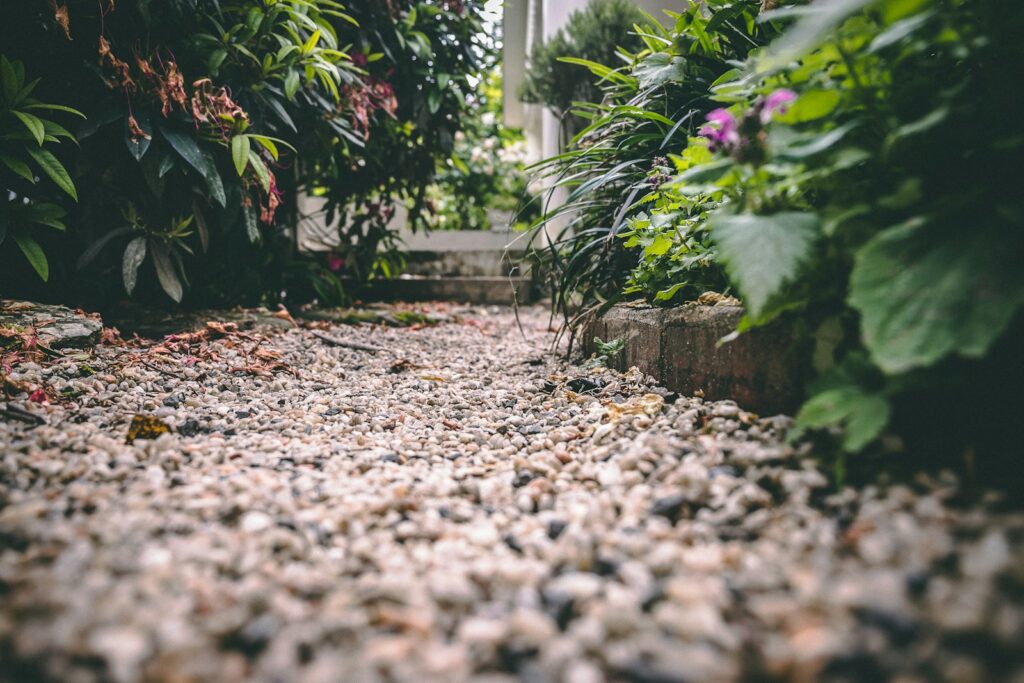
Gravel and bark are both excellent choices for pathways or areas where you want a low-maintenance surface. They come in different colors and sizes, allowing you to create a unique look that suits your garden’s style.
Stepping Stones
Stepping stones can be used to create a whimsical path through your garden. Arrange them in a meandering pattern to draw the eye and encourage exploration. You can also use stepping stones to lead to specific features like a seating area or garden room.
Grass
A lush lawn can be a beautiful and practical addition to a long, narrow garden. It provides a soft, green area for relaxation and play. To maintain a healthy lawn, ensure it receives adequate sunlight and water, and consider using a grass variety suited to your climate.
Consider a Garden Room
A garden room can be a fantastic way to extend your living space into the outdoors. These versatile structures can be used as a home office, gym, studio, or simply a place to relax and enjoy your garden.
Design and Placement
When designing your garden room, consider its placement carefully. Position it at the end of the garden to draw the eye and create a focal point. Choose a style that complements your home’s architecture and the overall aesthetic of your garden.
Features
Include large windows or even glass walls to let in plenty of natural light and provide views of your garden. Insulate the room to make it usable year-round, and add comfortable furniture and decor to make it a welcoming retreat.
Add a Barbecue Area
A dedicated barbecue area can be a wonderful addition to a long, narrow garden, providing a space for outdoor cooking and dining.

Choosing the Location
Place your barbecue area in a spot that is easily accessible from your home but not too close to windows or doors to avoid smoke entering the house. Consider positioning it near a seating area to make serving food convenient.
Features
Include a built-in barbecue or a high-quality portable grill, and add a counter or table for food preparation. Provide seating with a table and chairs or a picnic bench, and consider adding an overhead pergola for shade.
Put Down Patio Paving Slabs
Patio paving slabs are a durable and stylish option for creating outdoor living areas in a long, narrow garden. They provide a solid, level surface for furniture and foot traffic.
Material and Style
Choose paving slabs that complement the overall look of your garden. Natural stone, concrete, and porcelain are popular choices. You can opt for a uniform look with matching slabs or create a more eclectic style with different sizes and colors.
Layout
Arrange the slabs in a pattern that suits your garden’s style. A diagonal layout can help create the illusion of width, while a linear pattern can enhance the garden’s length. Ensure the slabs are installed on a properly prepared base to prevent shifting and settling.
Install a Hot Tub
A hot tub can add a touch of luxury to your long, narrow garden, providing a place to relax and unwind.

Placement
Place the hot tub in a secluded area of your garden to ensure privacy. Surround it with plants or a screen to create a sense of enclosure and intimacy.
Features
Choose a hot tub that fits your space and budget. Consider adding features like built-in lighting, jets, and a cover to keep it clean when not in use. Ensure the area around the hot tub is slip-resistant and provide seating or a nearby table for convenience.
Install Decking
Decking is a versatile and attractive option for creating outdoor living spaces. It can be used to create a level area for seating, dining, or relaxing.
Material
Choose from a variety of decking materials, including wood, composite, and plastic. Wood provides a natural look but requires regular maintenance. Composite and plastic decking are low-maintenance options that come in a range of colors and styles.
Design
Design the decking to suit your garden’s shape and size. A raised deck can create a sense of separation from the rest of the garden, while a ground-level deck can blend seamlessly with the surrounding landscape. Add railings or built-in seating for safety and comfort.
Grow Tall Plants
Tall plants can be used to create a sense of enclosure and privacy in a long, narrow garden. They can also add height and visual interest.
Choices
Consider plants like bamboo, ornamental grasses, and tall perennials. Climbing plants like clematis, wisteria, and ivy can also be trained to grow up trellises or walls.
Placement
Plant tall plants along the sides of your garden to create a green barrier. Use them to frame pathways, seating areas, or other garden features. Mix different heights and textures to add depth and variety.
Use Raised Planters
Raised planters are a practical and stylish way to grow plants in a long, narrow garden. They can help define different areas and make gardening more accessible.
Material and Style
Choose planters made from materials that complement your garden’s aesthetic, such as wood, metal, or stone. You can opt for uniform planters or mix different styles and sizes for a more eclectic look.
Placement
Position raised planters along the edges of your garden to create borders, or use them to define specific areas like seating or dining spaces. Ensure they are at a comfortable height for planting and maintenance.
Illuminate It with Beautiful Lighting
Lighting can transform your garden into a magical space after dark. Use it to highlight features, create ambiance, and ensure safety.
Types of Lighting
- Path Lights: Line pathways with low-level lights to guide the way.
- Spotlights: Highlight specific features like plants, sculptures, or water features.
- String Lights: Drape string lights across seating areas, pergolas, or trees for a whimsical touch.
- Solar Lights: An eco-friendly option that charges during the day and lights up at night.

Placement
Plan your lighting to create layers and depth. Use a mix of lighting types to achieve the desired effect, and ensure key areas like pathways and steps are well-lit for safety.
Use Landscaping to Create Areas of Interest
Landscaping can help break up a long, narrow garden and create distinct areas for different activities.
Plant Beds
Create curved plant beds to soften the linear shape of your garden. Use a mix of plants with different heights, colors, and textures to add variety and interest.
Water Features
A water feature can be a beautiful focal point in a garden. Consider a small pond, fountain, or water wall to add a sense of tranquility and attract wildlife.
Sculptures and Art
Incorporate sculptures, garden art, or other decorative elements to add personality and interest. Place them strategically to draw the eye and create focal points.
Add a Bird-Friendly Area
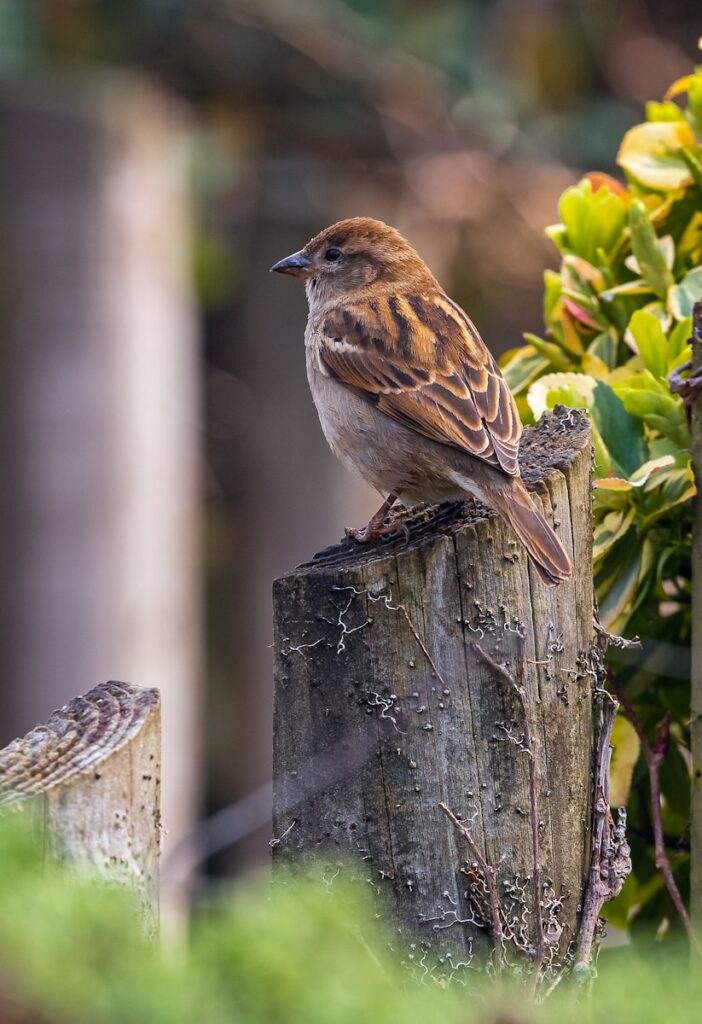
Creating a bird-friendly area can bring life and movement to your garden. It also supports local wildlife and can be a joy to watch.
Bird Feeders and Baths
Install bird feeders and bird baths to attract different species. Choose feeders that suit the types of birds you want to attract and place them in a safe, visible location.
Bird-Friendly Plants
Plant native trees, shrubs, and flowers that provide food and shelter for birds. Berry-producing plants and nectar-rich flowers are particularly attractive to birds.
Nesting Boxes
Add nesting boxes to provide birds with a place to raise their young. Position them in quiet, sheltered areas of your garden.
Spread Out the Features to Avoid Overcrowding
A long, narrow garden can easily become overcrowded if too many features are packed into a small space. Spread out your garden elements to create a more open, inviting layout.
Plan the Layout
Create a detailed plan of your garden layout, considering the size and placement of each feature. Ensure there is enough space between elements to allow for movement and avoid a cluttered appearance.
Use Visual Breaks
Incorporate visual breaks like pathways, plant beds, or open lawn areas to create a sense of space and separation between different features.
Create a Stylish Seating Area
A comfortable and stylish seating area can make your garden a perfect place to relax and entertain.
Choosing Furniture
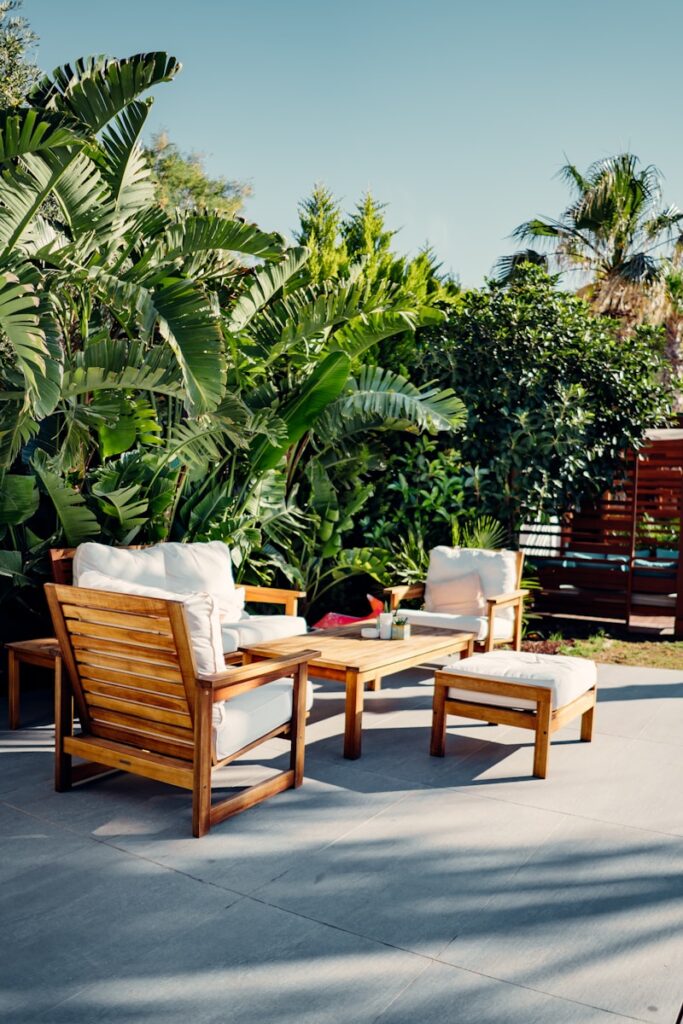
Select outdoor furniture that suits your garden’s style and your needs. Options include sofas, chairs, benches, and dining sets. Choose durable materials that can withstand the elements, like metal, wood, or rattan.
Adding Comfort
Add cushions, throws, and outdoor rugs to make your seating area more comfortable and inviting. Consider installing a pergola or umbrella to provide shade and protection from the elements.
Decor
Incorporate decor elements like lanterns, planters, and outdoor art to personalize your seating area. Choose colors and styles that complement the rest of your garden.
Create Levels
Adding levels to your garden can create visual interest and help define different areas. This can be achieved through terracing, raised beds, or decking.
Terracing
If your garden has a natural slope, consider creating terraces to manage the gradient. Terracing can provide flat areas for planting or seating and add a dynamic element to your garden.
Raised Beds
Raised beds can be used to create different levels within your garden. They are also practical for growing vegetables, herbs, and flowers, making gardening easier and more accessible.
Decking and Steps
Incorporate raised decking areas and steps to create different levels in your garden. This can add dimension and make your garden feel more spacious.
Conclusion
Transforming a long, narrow garden into a beautiful, functional space requires careful planning and creative thinking. By incorporating color, texture, and a variety of features, you can create a dynamic garden that feels spacious and inviting. Consider adding a garden room, barbecue area, hot tub, and stylish seating to enhance your outdoor living experience. Use tall plants, raised planters, and lighting to add height and depth. Finally, spread out the features and create levels to avoid overcrowding and add visual interest. With these modern garden ideas, you can make the most of your long, narrow garden and enjoy it for years to come.