
Bird of Paradise (Strelitzia reginae) is a magnificent and iconic tropical plant known for its lush, banana-like leaves and vibrant, bird-shaped flowers. Its striking appearance and relatively low maintenance requirements make it a popular choice for both indoor and outdoor settings.
Here’s everything you need to know to properly care for your Bird of Paradise plant, from selecting the right location to growing it from scratch.
Introduction to the Bird of Paradise Plant

Before delving into the care instructions, let’s start with some background information about this stunning plant:
About the Bird of Paradise Plant
- Origin: The Bird of Paradise plant is native to South Africa, where it thrives in subtropical and tropical regions.
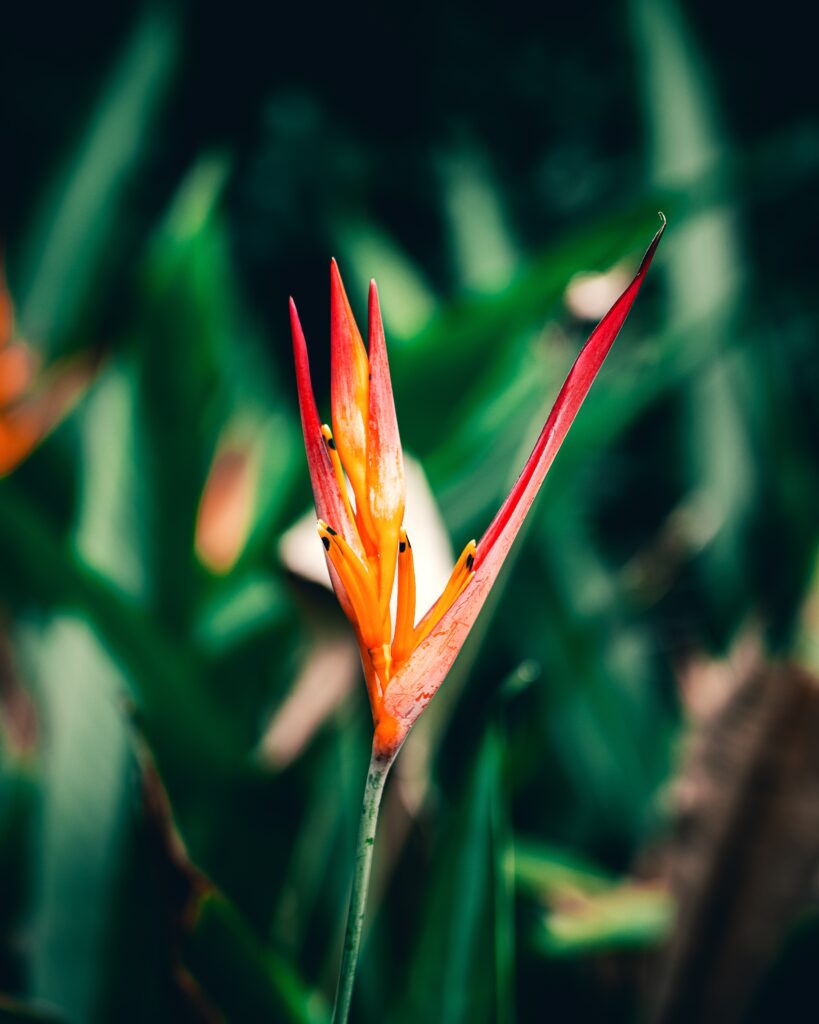
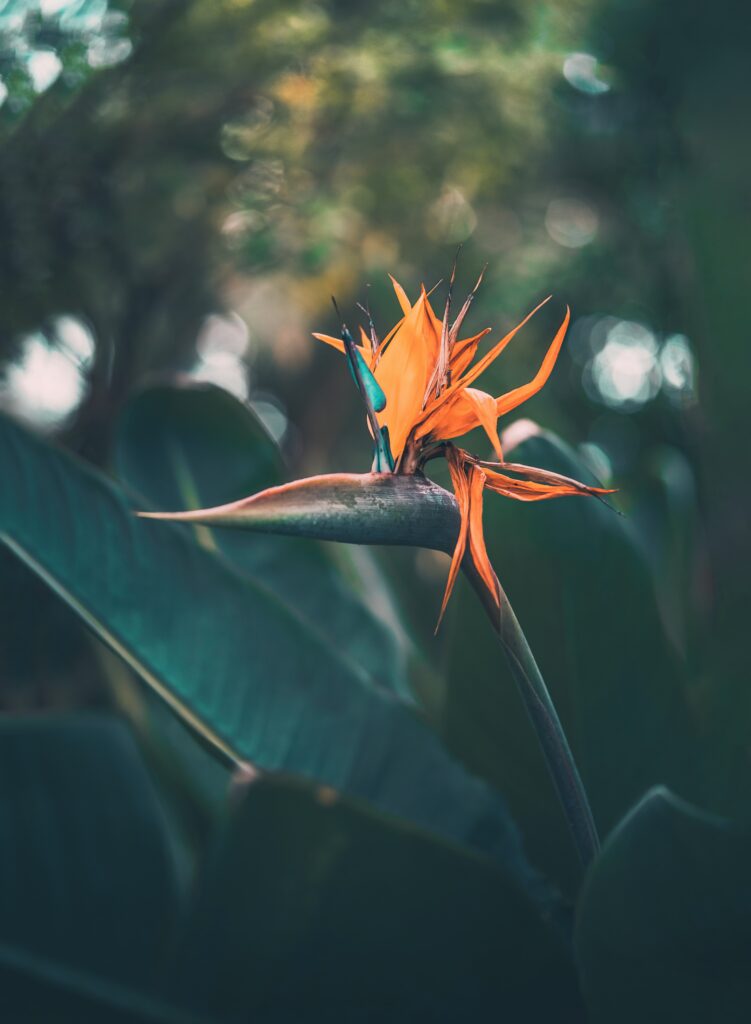
- Appearance: This plant is renowned for its large, glossy, paddle-shaped leaves that can grow up to 18 inches wide and 6 feet in height. When mature, it may produce spectacular, bird-like flowers with orange and blue hues.
- Indoor and Outdoor Varieties: Bird of Paradise plants are available in indoor and outdoor varieties. The indoor variety is generally smaller and more suitable for houseplant cultivation.
Selecting the Right Location
Choosing the right location for your Bird of Paradise is crucial for its health and growth. Here’s how to make the best choice:
Indoor Bird of Paradise:
- Light Requirements: Place your indoor Bird of Paradise in a spot with bright, indirect sunlight. Avoid direct sunlight, as it can scorch the leaves. If you can’t provide enough natural light, consider using a grow light to supplement it.
- Temperature: This plant prefers temperatures between 65°F and 70°F (18°C to 24°C). It can tolerate lower temperatures, but it’s best to keep it away from drafts and sudden temperature fluctuations.
- Humidity: Bird of Paradise plants thrive in high humidity. Regular misting or using a humidity tray can help maintain the ideal moisture levels.
- Pot and Soil: Plant your Bird of Paradise in a well-draining pot with good-sized drainage holes. Use a well-draining potting mix with perlite or orchid bark to ensure proper aeration and drainage.
Outdoor Bird of Paradise:
- Light Requirements: Outdoor Bird of Paradise plants love full sun, but they can also tolerate partial shade. They thrive in areas with lots of sunlight, which helps produce more flowers.
- Climate: These plants are well-suited for USDA hardiness zones 10-12. They can tolerate occasional short dips in temperature but should be protected from frost.
- Soil: Plant your Bird of Paradise in well-draining soil. Amending the soil with organic matter can improve its quality.
- Spacing: Ensure your outdoor Bird of Paradise has sufficient space to grow, as they can reach substantial heights and widths.
Watering and Soil Care
Proper watering and soil care are essential to the health of your Bird of Paradise plant. Here’s what you need to know:
Watering:
- Indoor Plants: Allow the top 2-3 inches of soil to dry out before watering. Water thoroughly but avoid waterlogging. Empty the saucer under the pot after watering to prevent root rot.
- Outdoor Plants: Water your outdoor Bird of Paradise less frequently. They are drought-tolerant and prefer to dry out between waterings. Deep watering is preferable to shallow and frequent watering.
Soil Care:
- Use a well-draining potting mix for indoor plants. A mix that includes perlite, orchid bark, or sand works well.
- For outdoor plants, amend the soil with organic matter like compost to improve drainage and nutrient content.
- Regularly check the pot for root-bound conditions. Repot the plant into a slightly larger container when it outgrows its pot.
Fertilizing Your Bird of Paradise
Proper fertilization helps your Bird of Paradise grow and flourish. Follow these guidelines:
- Use a balanced, water-soluble fertilizer with a higher nitrogen content during the growing season (spring and summer). Apply every 6-8 weeks.
- Reduce or stop fertilizing during the winter when the plant’s growth slows down.
- Ensure you dilute the fertilizer according to the manufacturer’s instructions to prevent over-fertilization, which can damage the plant.
Pruning and Maintenance
Regular maintenance and pruning are essential to keep your Bird of Paradise plant healthy and looking its best:
- Remove Yellow Leaves: Trim any yellow or damaged leaves at the base to encourage new growth.
- Dust the Leaves: Clean the leaves regularly to remove dust and debris. This keeps the plant’s pores open and allows it to breathe more easily.
- Prune Sparingly: Pruning should be minimal, mainly to remove dead or diseased foliage. Bird of Paradise plants can benefit from some natural browning or splitting as they age.
Repotting and Division
Repotting and division are necessary as your Bird of Paradise plant grows. Here’s how to do it:
Repotting:
- Repot your indoor Bird of Paradise when it becomes root-bound. Choose a pot that is 2 inches larger in diameter than the current one.
- Repot in the spring when the plant is actively growing.
Division:
- Over time, your Bird of Paradise can become crowded. Divide the plant by gently separating the root system into smaller sections and repotting them into individual pots.
- Division is best done in the spring to allow the new plants time to establish themselves.
Dealing with Pests and Diseases
While Bird of Paradise plants are relatively resilient, they can still fall victim to pests and diseases. Common issues include spider mites, aphids, mealybugs, and root rot. Here’s how to address them:
- Pest Control: If you notice pests, remove them by hand, rinse the plant with water, or use neem oil or insecticidal soap. Ensure to treat both sides of the leaves and the plant’s soil.
- Fungus and Root Rot: Prevent root rot by maintaining proper watering practices. If you notice signs of rot, like yellowing or wilting leaves, take the plant out of its pot, trim affected roots, and repot it in fresh soil.
Growing a Bird of Paradise Plant from Scratch
If you’re eager to grow a Bird of Paradise plant from scratch, you can start from seeds or offsets (pups). Here’s how to do it:
From Seeds:
- Purchase Bird of Paradise seeds from a reputable source.
- Soak the seeds in warm water for 24 hours to soften the outer seed coat.
- Plant the seeds in a well-draining potting mix about 1/2 inch deep.
- Keep the soil consistently moist but not waterlogged. Place the pot in a warm, well-lit area.
- Germination can take several weeks to a few months. Be patient.
From Offsets (Pups):
- Wait for your mature Bird of Paradise plant to produce offsets or pups. These are new shoots that grow at the base of the plant.
- Gently separate the offset from the parent plant using a sharp, sterile knife.
- Plant the offset in a separate pot with well-draining soil.
- Care for the new plant following the care instructions mentioned earlier.
Caring for your Bird of Paradise plant involves providing the right environmental conditions, proper watering, soil care, and regular maintenance.
By following these guidelines and addressing any issues promptly, you can enjoy the beauty and grace of this tropical plant in your home or garden.
Whether you’re nurturing an existing Bird of Paradise or growing one from scratch, the rewards of its stunning foliage and striking flowers make the effort well worth it.